
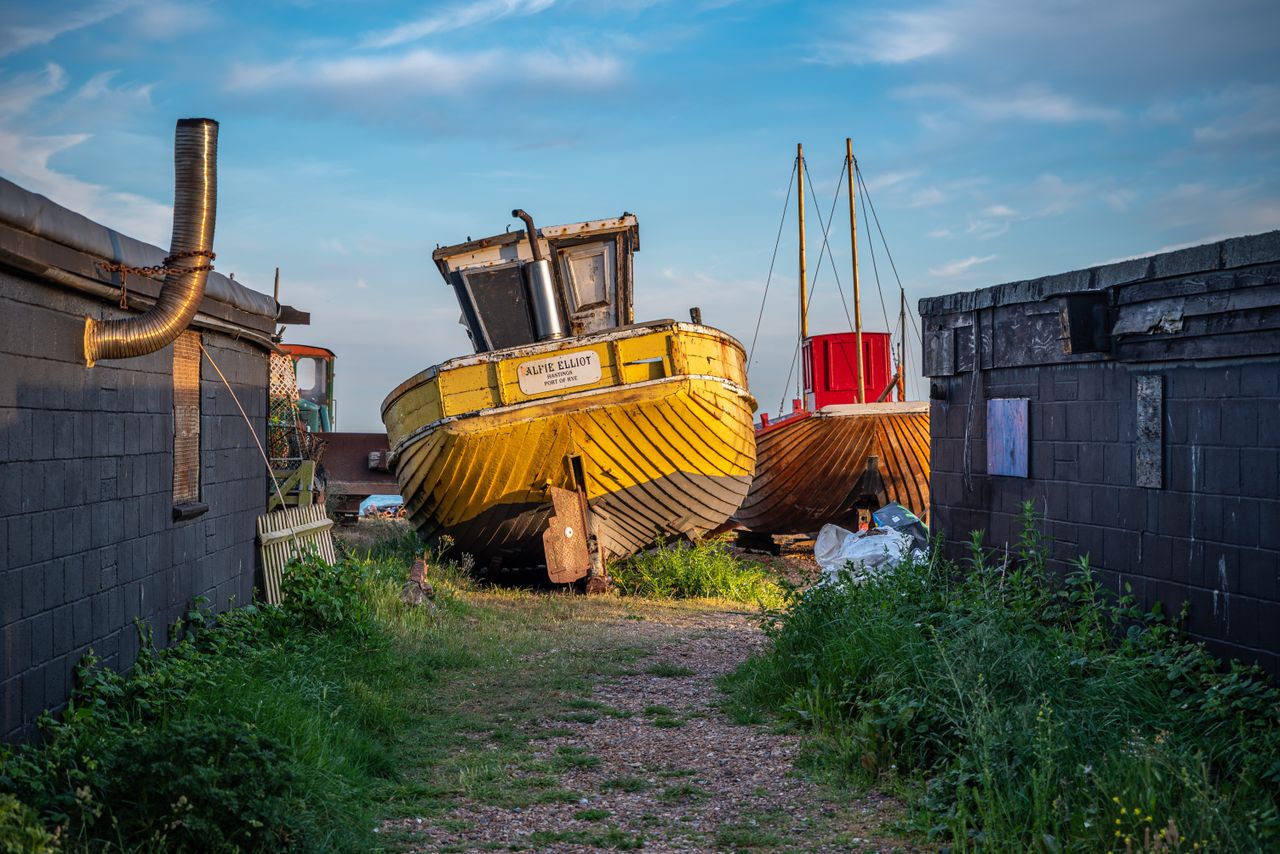
When a boat or piece of marine machinery reaches the end of its working life, that does not necessarily mean everything on board has reached the end of its useful life. From engines and pumps to electrical components, fittings and specialist mechanical parts, maritime equipment can contain a surprising amount of material and engineering value.
For breakers specialising in maritime salvage, the challenge is to identify what can be recovered, assess its condition and separate useful components from material that is destined for recycling.
Why Maritime Salvage Matters
Marine environments can be demanding on machinery. Salt water, moisture and constant exposure to the elements can all take their toll, particularly on metal components. However, a part that has been removed from a vessel is not automatically beyond use.
Careful inspection can reveal components that remain perfectly serviceable, either for their original purpose or as useful replacement parts elsewhere. This can be particularly valuable when dealing with older vessels, unusual machinery or equipment for which replacement parts are difficult to source.
Salvage therefore provides an alternative to simply replacing everything with new components.
From Marine Engines to Specialist Components
Marine salvage can involve much more than recovering the main engine. Depending on the vessel and its condition, breakers may recover gearboxes, pumps, alternators, starters, electrical equipment, steering components, fittings and a wide range of smaller mechanical parts.
Some components may be suitable for direct reuse, while others can provide valuable materials or individual parts. The important thing is knowing what is worth removing before the vessel is dismantled further.
This requires experience as well as an understanding of marine engineering. A seemingly insignificant component may be exactly the part another operator needs to keep an older machine running.
The Value of Careful Dismantling
Effective salvage is not simply a case of taking a vessel apart as quickly as possible. Components need to be removed carefully to avoid unnecessary damage and, where appropriate, kept identifiable so that their specifications and applications can be established.
That is particularly important with specialist marine equipment. A component may have limited value as scrap but considerably more value as a working part.
Careful dismantling also helps maximise the amount of material that can be recovered and reduces the amount ultimately sent to waste.
A More Practical Approach to Marine Equipment
Maritime salvage is ultimately about making better use of the engineering that already exists. Instead of viewing an end-of-life vessel purely as waste, breakers can look at it as a collection of materials, machinery and components with different levels of potential value.
For boat owners, engineers and operators looking for replacement parts, that can mean access to useful components without always having to source everything new.
For the industry as a whole, it represents a more resource-conscious approach to dealing with ageing marine equipment — recovering what can still serve a purpose and recycling what cannot.
Featured image by Pexels.