
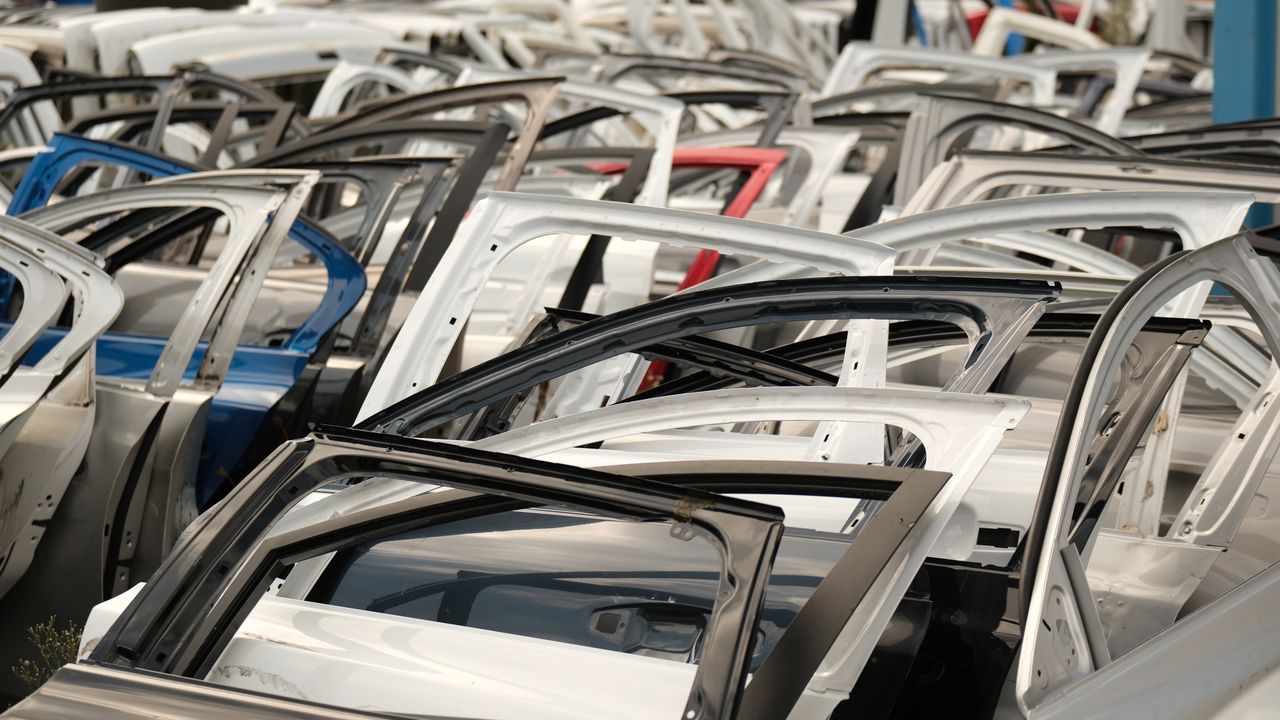
A vehicle that has reached the end of its road life can still contain hundreds of components with practical value. While the bodywork may eventually become scrap metal, engines, gearboxes, electrical components, suspension parts and countless smaller items can often be recovered before that happens.
This is where vehicle breakers play an important role. Rather than treating an unwanted or damaged vehicle as one large piece of waste, they can dismantle it systematically, identifying components that can be reused, materials that can be recycled and parts that require further processing.
What Can Be Recovered From a Vehicle?
The obvious components are often the largest ones. Engines, gearboxes, wheels and major mechanical assemblies can all be valuable, particularly when replacement parts for older vehicles are becoming harder to find.
But a vehicle contains much more than these headline components.
Alternators, starter motors, pumps, sensors, switches, mirrors, lights, brackets, electrical connections and interior fittings can all potentially be recovered. Even apparently minor components may be useful to someone repairing or restoring a vehicle.
The value of dismantling lies partly in being able to identify those opportunities.
Why Used Parts Still Have a Place
There is a strong argument for using quality reclaimed components where appropriate. Not every repair requires a brand-new part, particularly when dealing with an older vehicle where new replacement components may be expensive or difficult to source.
A properly recovered component can provide a practical alternative while also keeping an existing vehicle on the road for longer.
For classic vehicles and older commercial vehicles in particular, breakers can sometimes provide access to parts that are no longer readily available through conventional supply chains.
A Vehicle Is a Collection of Materials
Vehicle salvage is also about separating different materials efficiently. Metals, plastics, glass, rubber and electrical components all have different recycling or recovery routes.
Good dismantling practices help ensure that as much of the vehicle as possible is directed towards an appropriate second use or recycling process.
That matters because simply sending complete end-of-life vehicles for processing does not make the most of the individual components they contain. Removing useful parts first allows their potential value to be considered before the remaining materials are recycled.
The Importance of Knowing What to Look For
Experienced breakers understand that value is not always proportional to size. A small electronic module or specialist mechanical component can sometimes be more useful than a much larger piece of scrap.
That knowledge is what turns vehicle dismantling into a process of recovery rather than simply disposal.
Whether the requirement is a replacement engine component, an unusual fitting or a small part that has become difficult to source, the vehicle breaking industry helps keep a huge range of existing equipment moving.
Ultimately, road vehicle salvage is about giving useful components another opportunity to do their job — while making sure that the materials that cannot be reused are not simply wasted.
Featured image credit: Pexels.