When people think about vehicle or machinery salvage, they tend to picture the big components first: engines, gearboxes, wheels and major pieces of equipment. Yet some of the most useful parts recovered during dismantling can be surprisingly small.
A bolt, bracket, bearing, sensor, connector or specialist fitting may look insignificant compared with an engine, but finding the right small component can make all the difference when repairing or maintaining a piece of machinery.
Salvage Is About More Than Size
The value of a salvaged component is not necessarily related to how much metal it contains. It may come from its design, rarity, compatibility or the difficulty of sourcing a replacement.
Older vehicles and machinery can be particularly interesting in this respect. Manufacturers may no longer produce certain components, leaving owners and engineers looking for alternatives or original parts from equipment that has reached the end of its working life.
This is where careful dismantling becomes important.
Taking Equipment Apart Piece by Piece
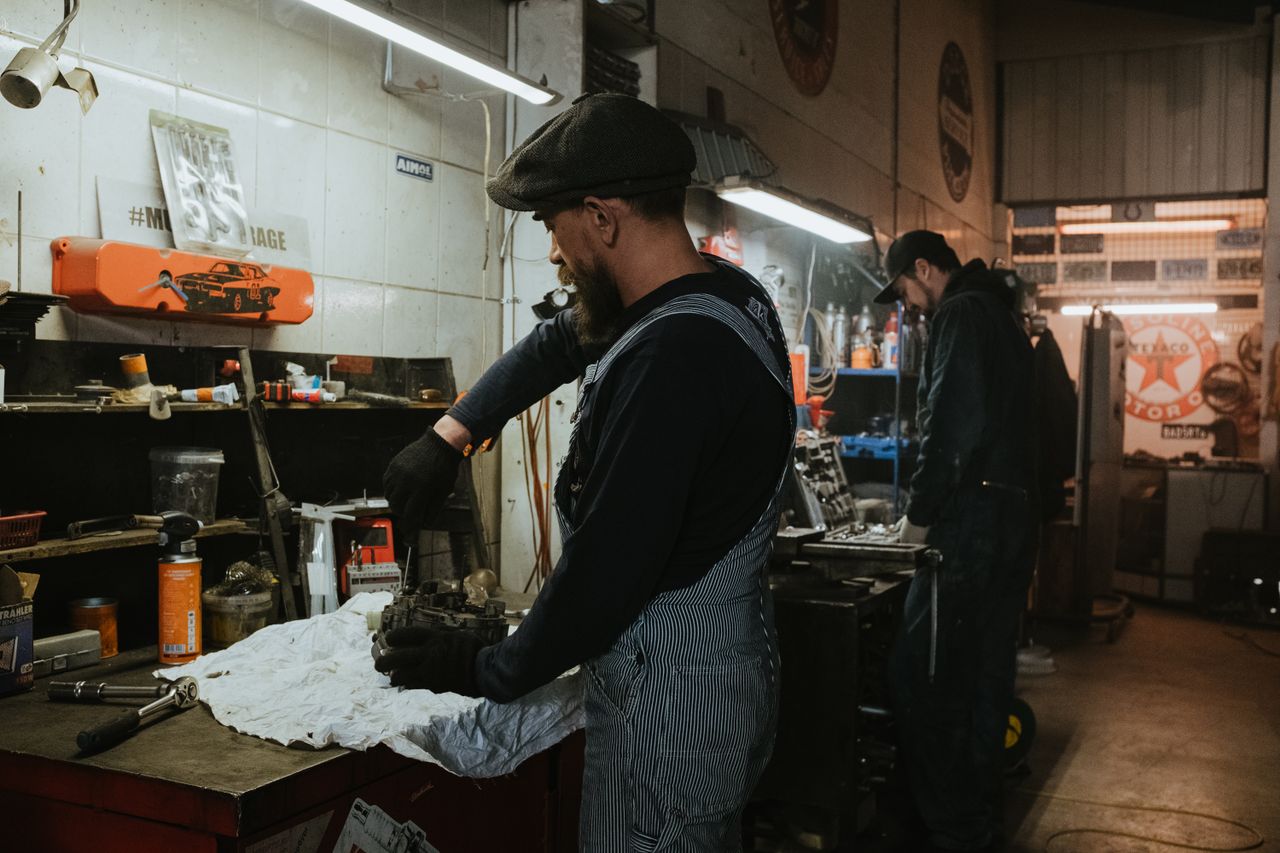
Salvaging small engineering components requires a methodical approach. Before dismantling begins, the condition and potential value of the equipment need to be considered.
Components are removed carefully rather than simply stripped away. Where necessary, parts can be cleaned, inspected and separated from surrounding assemblies so that their condition and potential use can be assessed.
This can take considerably more knowledge than simply breaking something down for scrap. The person dismantling the equipment needs to understand which parts are worth preserving and how they fit into the larger assembly.
Why the Smallest Parts Can Be the Hardest to Replace
Large components tend to be easier to identify and source. A particular engine or gearbox has an obvious identity, whereas a small specialist component may have a much less obvious purpose.
A tiny bracket could be specific to one model. A connector may have a particular configuration. A bearing or mechanical fitting may have dimensions that make it unsuitable to substitute with a standard part.
For someone trying to repair older machinery, these seemingly minor differences can be critical.
Recovering small components therefore helps preserve access to parts that might otherwise be difficult, expensive or impossible to obtain.
From Salvage to Second Life
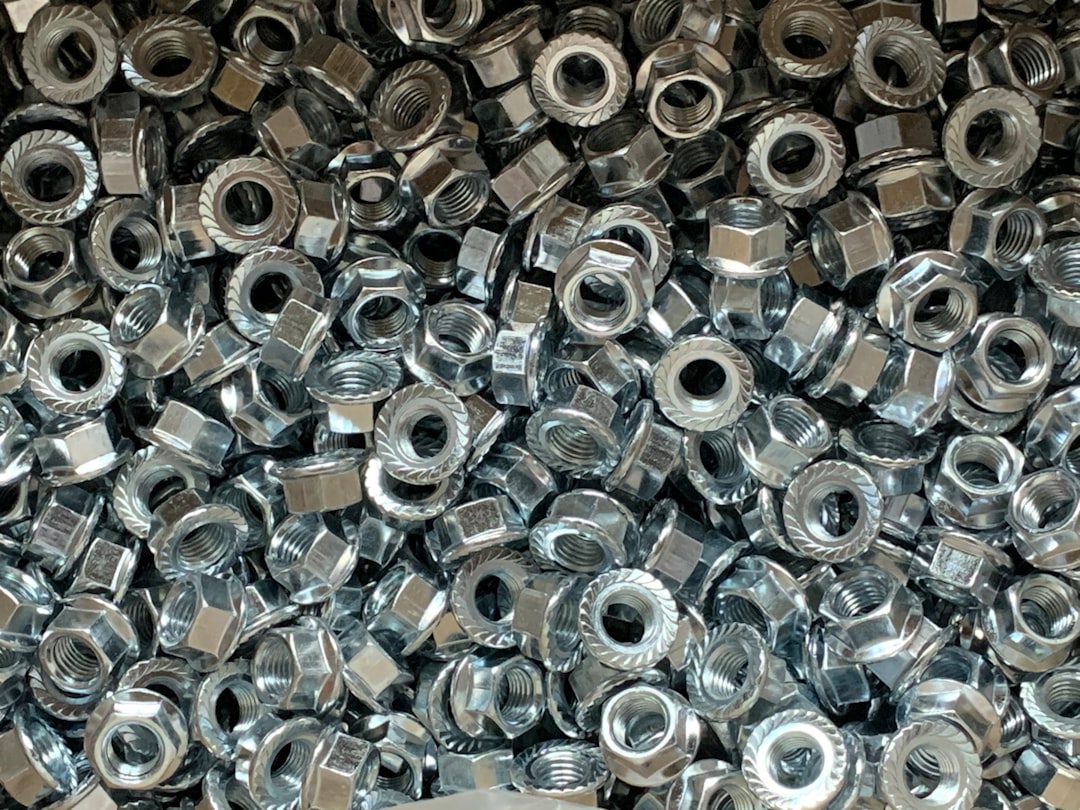
Once recovered, components need to be stored and identified properly if they are going to find a second use. Good organisation is particularly important when dealing with large numbers of small parts.
The wider benefit is that useful engineering does not have to become waste simply because the vehicle, vessel or machine it came from has reached the end of its working life.
Instead, individual components can continue to have a purpose elsewhere.
Every Component Can Have a Story
The most interesting thing about salvage is perhaps that value can be found in unexpected places. A large engine might immediately attract attention, but the smallest component could be the part that another engineer has spent weeks trying to find.
That is why professional dismantling looks beyond the obvious. By carefully recovering everything from major assemblies to the smallest engineering components, breakers can help extend the useful life of existing machinery and make better use of the resources already in circulation.
Sometimes, the smallest parts really can make the biggest difference.
Featured image credit: Pexels.