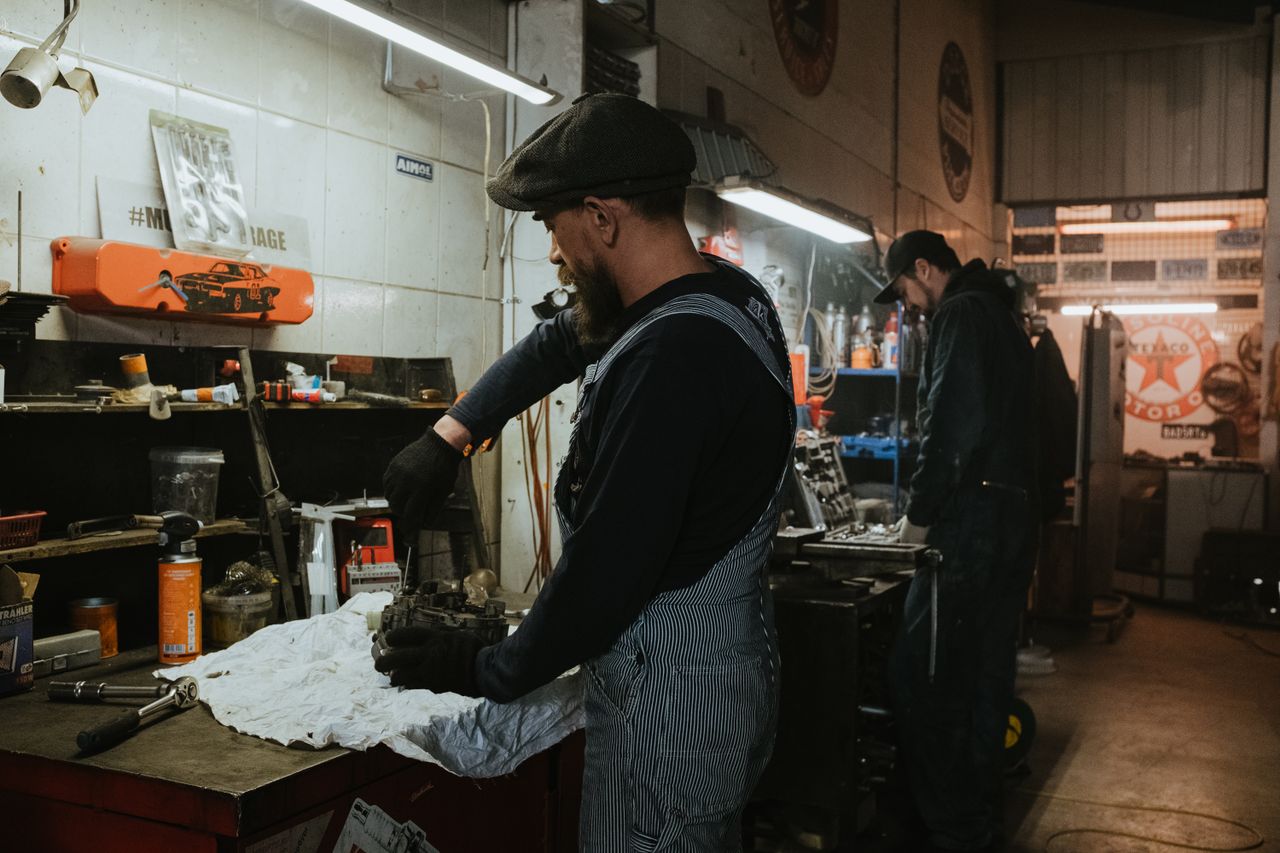
Anyone who has spent time around old machinery knows restoration is rarely about shiny paint and polished brass. The real work is quieter: checking alignment, tracing slight mechanical movements, and working out whether a part is worn or simply made to older tolerances. In workshops restoring vintage lathes, presses or agricultural kit, measuring movement accurately can mean the difference between bringing a machine back to life and creating a fault that was never there before.
That is one reason certain specialist instruments still matter, even outside large industrial settings. Restorers and engineers often need to see how a component behaves under load, how far a carriage actually travels, or whether a mechanism returns to the same point each time. In those cases, devices such as LVDTs come up naturally in conversation, not because they are glamorous, but because they can detect very small linear displacement.
Precision behind the scenes
There is something satisfying about using modern measurement methods to preserve older engineering. It lets restorers rely less on guesswork and more on exact readings. Instead of “that looks about right”, the process becomes more disciplined.
- Checking wear in slides and guideways
- Comparing movement before and after adjustment
- Verifying repeatability in levers and linkages
For general readers, this may sound niche, but it points to something wider: many of the objects we value depend on precision you never see. A historic machine tool or a well-used workshop press both rely on proper measurement if the original design is to be respected. The skill is not always in the restoration itself. Often it lies in the patience to watch what a mechanism is really doing before laying a spanner on it.
Photo by Cottonbro Studios.